19. ´Orgulloso de mi guion!
|
In English: Hypenated and proud!
|
|
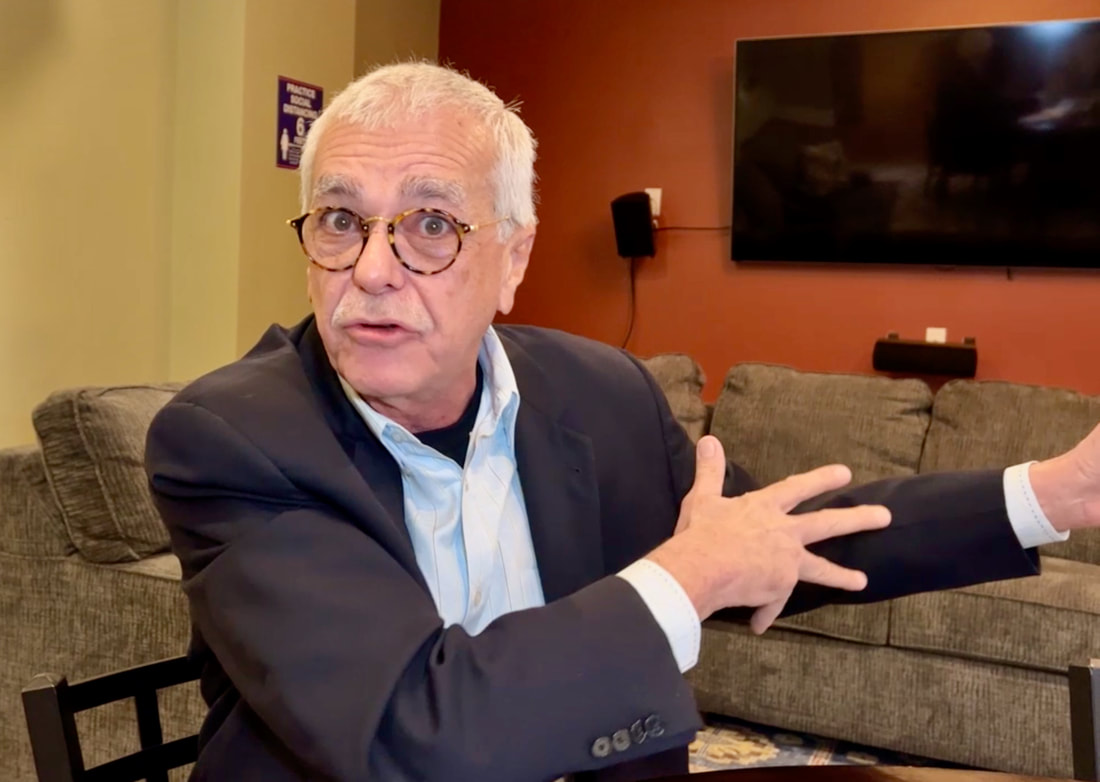
Por Miguel Pérez
6 de abril de 2010 - De vez en cuando, algún lector me escribe una carta exigiendo que elija. "Puedes ser cubano o americano. No ambos", escribió uno de ellos la semana pasada. "Ya es hora de que elijas un país". El hecho de que me defina como cubanoamericano resulta ofensivo para algunas personas. Por suerte, no soy el único, ya que se ofenden con todos los estadounidenses con nacionalidades compuestas. Estas son las personas que quieren que todos nos sumerjamos en el "melting pot" estadounidense y perdamos todas nuestras identidades étnicas, nuestras lenguas nativas e incluso todos los recuerdos de nuestro pasado. |

|
|
Te cuentan historias delirantes sobre cómo sus antepasados europeos dejaron de hablar idiomas extranjeros, aprendieron inglés al instante, cortaron todo vínculo con sus parientes en sus países de origen y se convirtieron en estadounidenses aislacionistas en el momento en que pisaron tierra en Ellis Island.
Su capacidad para distorsionar la historia de esta "nación de inmigrantes" es impresionante. Muchos de ellos son los mismos que están obsesionados con combatir la inmigración ilegal. Te dicen que lo que quieren es la inmigración legal, pero luego te demuestran que tienen problemas con todos los inmigrantes que no están dispuestos a deretirse en su crisol de culturas. |

|
|
Como perdieron los vínculos con sus raíces étnicas, se presentan como estadounidenses de pura cepa que claman por una limpieza étnica.
Se niegan a reconocer que, desde la época del Congreso Continental, cuando ciertos documentos fueron traducidos al alemán y al francés, Estados Unidos ha sido multilingüe, o que la mayoría de nuestros Padres Fundadores fomentaron la enseñanza del francés, el español y el alemán en nuestras escuelas, o que se oponían a que el gobierno le dijera a la gente qué idioma debía usar. |

|
|
Estados Unidos nunca ha sido un crisol de culturas. Siempre hemos sido una mezcla de culturas en la que cada grupo étnico conserva su propio sabor. Lo que nos hace grandes es que hemos logrado crear la mezcla cultural más rica y diversa del mundo.
Pero algunos de mis lectores se niegan a reconocer que sus antepasados publicaban periódicos, colocaban letreros en las fachadas de las tiendas e incluso conseguían imprimir algunas papeletas de votación y otros documentos gubernamentales en varios idiomas extranjeros. Sin embargo, hoy en día, los letreros de las tiendas en español, la primera lengua europea que se habla aquí, son motivo de controversia. Algunas personas creen que los negocios de inmigrantes —o aquellos que buscan atraer a clientes inmigrantes— no deberían tener la libertad (ni la protección constitucional) de anunciar sus productos en el idioma que elijan. |

|
|
Están dispuestos a mirar hacia otro lado cuando las antiguas comunidades inmigrantes se aferran a sus culturas, cerrando aparentemente los ojos cuando pasan en coche por nuestros barrios chinos y pequeñas Italias, pero aplican un criterio diferente a los nuevos inmigrantes.
Curiosamente, nadie parece ofenderse cuando los italoamericanos celebran el Día de Colón o los irlandeses-americanos participan en los desfiles del Día de San Patricio. Pero cuando nosotros, los latinos y otros inmigrantes recién llegados, intentamos preservar nuestras culturas e idiomas, cuando ondeamos con orgullo las banderas de nuestros países de origen en desfiles y festivales étnicos, se nos acusa injustamente de ser anti-americanos. |

|
|
In fact, that's the only kind of hyphenated American some of my readers recognize. They love to accuse people of being "un-American."
And some people love to accuse them of being anti-immigrant. Yup! Hyphenated. In history, perhaps the best known spokesman for those who oppose hyphenate-Americans was former President Theodore Roosevelt, who famously declared that "there is no room in this country for hyphenated Americans" during an address to the Knights of Columbus at Carnegie Hall on October 12, 1915. He complained about "a tangle of squabbling nationalities, an intricate knot of German-Americans, Irish-Americans, English-Americans, French-Americans, Scandinavian-Americans or Italian-Americans, each preserving its separate nationality, each at heart feeling more sympathy with Europeans of that nationality, than with the other citizens of the American Republic. ... There is no such thing as a hyphenated American who is a good American. The only man who is a good American is the man who is an American and nothing else." But after more than a century later, we can see that he was wrong! Amazingly, many of the letters from my strongest critics have little to say about the particular topic I may be discussing in a column. Last week's column, for example, was about dissidents in Cuba, but because I made a reference to Cuban-Americans, I got a lecture about hyphenated Americans. "My Scottish, Irish, German and Hungarian ancestors came to this country to be Americans," wrote the reader who ordered me to choose between my Cuban and American nationalities. "I will not hyphenate them all together and demean their efforts to start a new life here." |

|
Yet if you go to Google and search for "Scottish-Americans," "Irish-Americans," "German-Americans" or "Hungarian-Americans," you are likely to find proud histories of hyphenated American communities that never denied their ethnic pride when they started new lives here.
As for my being a Cuban-American, I'm sorry to disappoint my not-so-well-intended readers, but because I'm very proud of both of my nationalities, I'm sticking with both. You are what your life makes you, and you certainly don't deny any part of it to ease the xenophobia of a few bigots.
I was born in Havana in 1950, and I came to the United States as a refugee at the age of 11 in 1962. My life has shown me the ruthlessness of a right-wing dictatorship, the repression of a communist regime and the privilege of immigrating to the greatest country in the world. It has shown me the struggles of U.S. immigrants and the economic, social and even violent discrimination suffered by minorities. This country has given me the freedom to express myself as a journalist. And whether anyone likes it or not, my opinions are formed by my own life experiences as a Cuban-American.
COPYRIGHT 2010 CREATORS.COM
Until now, perhaps the chapion of xenophobia in the White House was former president Teddy Rosevelt, who is not too fondly remembered for his assertion that, "In this country we have no room for hyphenated Americans."